


 Français
  Türkçe
 Reduction Rhinoplasty Turkey, Nose Reshaping Istanbul Dr. Ruhi
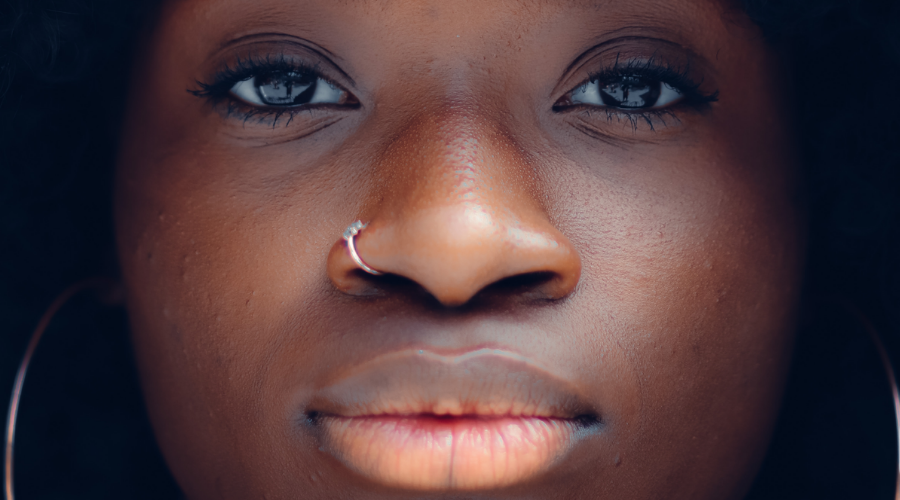
People who are unhappy with a nose that feels too large, too wide, too long, or has a prominent hump often ask the same question: can my nose look natural after surgery? The answer is yes — provided the surgery is planned carefully and carried out with a clear understanding of how your nose relates to the rest of your face.
Reduction rhinoplasty in Turkey has become a common choice for patients travelling from the UK, and for good reason. The results speak for themselves when the approach is right.
What does reduction rhinoplasty actually involve?
Nose reshaping surgery is not simply about making the nose smaller. The goal is to bring the nose into balance with your face — reducing what needs to be reduced, supporting what needs to be supported, and leaving the rest alone. Every nose is different, and the surgical plan should reflect that.
During the procedure, the bone and cartilage structure of the nose is assessed. Where necessary, narrowing or reshaping is carried out. The tip is supported. Every step is tailored to your specific anatomy.
Long nose reduction
When patients describe a long nose, there are usually three things going on — sometimes one, sometimes all three:
- The bone and cartilage project further forward than they should
- The tip droops downward, which also makes the face appear longer
- The angle between the upper lip and the nose is too tight, giving the impression that the nose is pushed forward
Simply shortening the nose from the top does not solve these problems. The nose-to-face relationship has to be re-established properly.
How is long nose reduction done?
The bone and cartilage are shortened first. Excess tissue is measured and removed from the correct point — not simply trimmed from above. The nose is shortened from the right anatomical position to achieve a natural profile.
The tip is then reshaped and supported. It is lifted slightly, reinforced with cartilage grafts where needed, and secured so it does not drop again over time. The aim is always a natural-looking position — not an artificial upturn.
Finally, the nasolabial angle — the space between the nose and the upper lip — is corrected. Opening this angle often makes a significant difference to how natural the result looks from the side.
Fleshy or Bulbous Nose Reduction
A fleshy nose presents a different challenge. The issue is not just the size of the underlying structure — the skin itself is thick, and that affects how the result develops over time.
Bulbous nose surgery is performed under general anaesthesia; patients are fully asleep and feel nothing throughout. The bone is assessed first. If it is wide, controlled narrowing is carried out from the sides. Attention then turns to the tip, which in most fleshy noses is where the overall appearance is determined. The tip cartilages — which tend to be broad and poorly defined — are reshaped and brought together. Structural support is always added; without it, a fleshy nose tends to spread again or drop as it settles over the following months.
The skin itself is not touched directly. When the underlying framework is corrected and well-supported, the skin gradually conforms to the new shape. In thick-skinned patients, full refinement takes longer to become visible, but the outcome tends to look more natural for exactly that reason.
Attention then turns to the tip, which in most fleshy noses is where the overall appearance is determined. This procedure, often referred to as tip rhinoplasty, focuses on reshaping broad cartilages.
Wide Nose Reduction
In a wide nose, the problem is that the nose spreads laterally — it is too broad when viewed from the front. The solution is not to reduce the overall size of the nose but to bring the sides together.
The bones are assessed and, where the structure is genuinely wide, carefully moved inward using controlled osteotomies. This narrows the upper portion of the nose and creates a slimmer profile from the front. The tip cartilages are then addressed — in most wide noses the tip is also splayed — and brought closer together with or without supporting grafts. If the nostrils are very wide, minor refinements can be made at the base.
Hump Reduction
A nasal hump is caused by excess bone and cartilage along the bridge, making the nose appear larger than it is — particularly in profile.
The excess projection is removed in a controlled way. Once the hump is levelled, the nasal bones are brought in from the sides — this step is necessary because removing a hump without narrowing the bones leaves an open, flat-topped appearance. The tip is then re-evaluated and reshaped to suit the new bridge line, and supporting structures are added where needed to prevent drooping over time.
Common Questions
Is reduction rhinoplasty in Turkey safe?
Yes. Rhinoplasty is a well-established procedure. As with any surgery, it carries a small element of risk, and choosing an experienced, specialist surgeon significantly reduces that.
How long does the operation take?
Typically between one and a half to two and a half hours, depending on what is being addressed.
Will I be in pain during surgery?
No. The procedure is performed under general anaesthesia. You will be fully asleep throughout and will not feel anything.
Can a large nose really be reduced to look natural?
Yes — and this is the key point. A natural result is not a matter of luck; it is the product of careful planning and surgical precision. The aim is always a nose that suits your face, not one that simply looks smaller.
Is nose reshaping surgery complicated?
The surgery itself is not complicated in experienced hands. It does require attention and a sound understanding of nasal anatomy, because the goal is to reduce without compromising function or natural appearance.
This page has been written for general information purposes. To discuss your specific situation with Dr. Çağatay Ruhi, please get in touch.
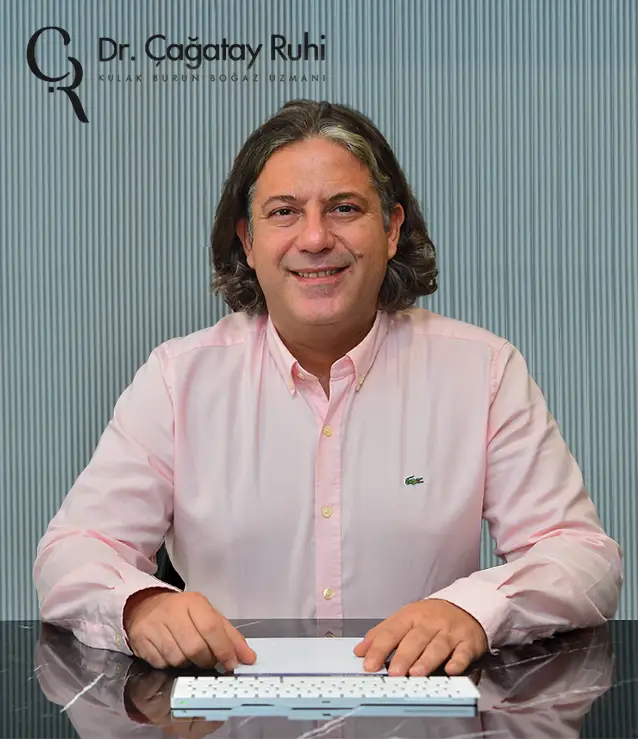
Op. Dr. Çağatay Ruhi
ENT Specialist · Rhinoplasty Surgeon
Graduate of Hacettepe University Faculty of Medicine. Practicing ENT and rhinoplasty in Istanbul Kadıköy since 2011. Specialized in rhinoplasty, revision rhinoplasty, preservation rhinoplasty and piezo surgery with over 5,000 successful cases.